 Property Week News, analysis, insight and events for UK property professionals
Florence Lam, Arup Fellow, reflects on what made pioneering projects like the Millennium Bridge, Leicester Square Garden, and Arup’s London HQ at 80 Charlotte Street a success. Looking beyond the numbers and building efficiency goals, Florence highlights the keys to success for delivering spaces people use and feel safe in are human centric design and clever approaches to lighting.
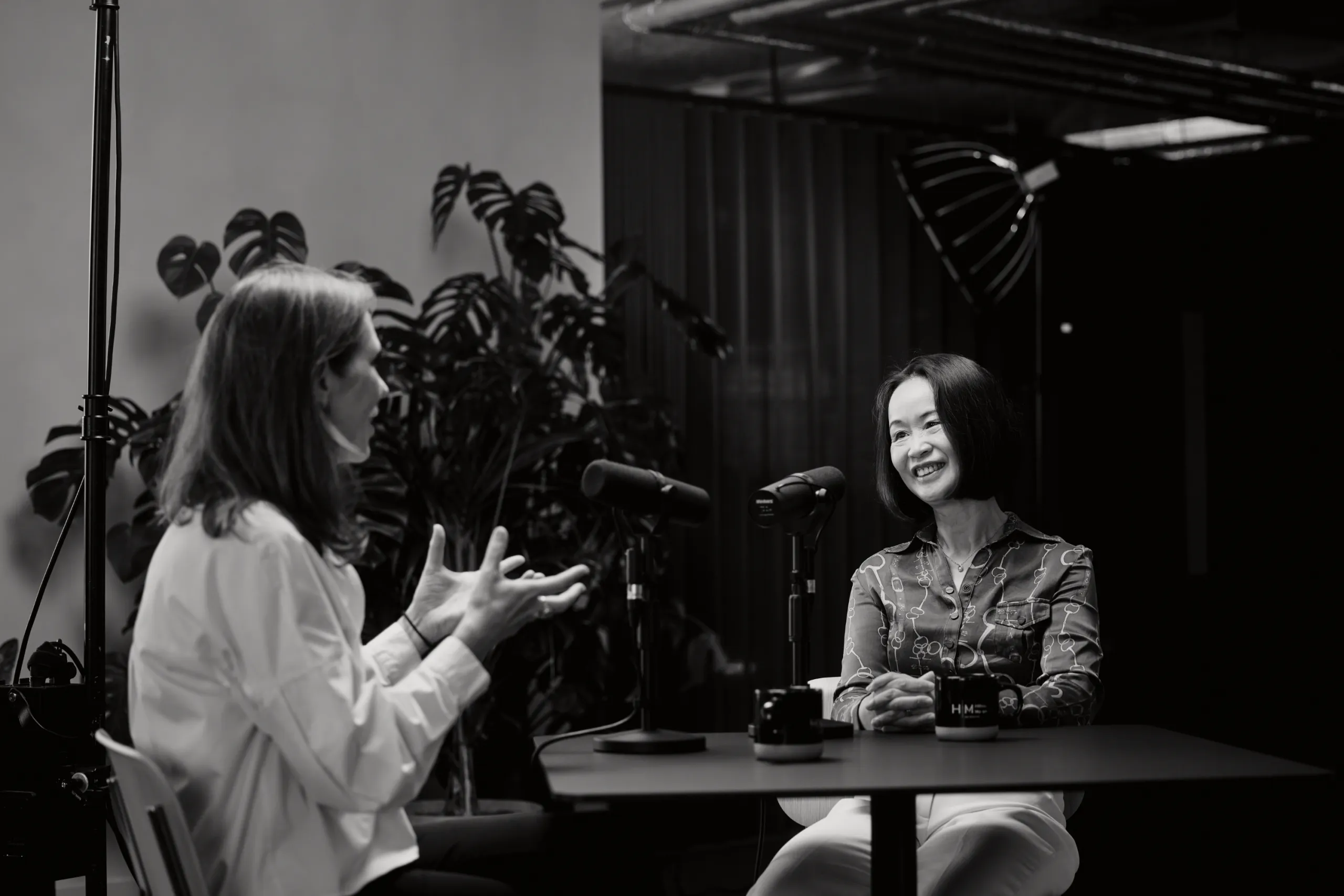
In Florence’s 35 years of experience, one focus has been user feedback, both qualitative and quantitative, because if people don’t feel comfortable in a space, they won’t use it. So, no matter how good the build may be in terms of energy efficiency or industry standards, all social, environmental and associated economic value is lost.
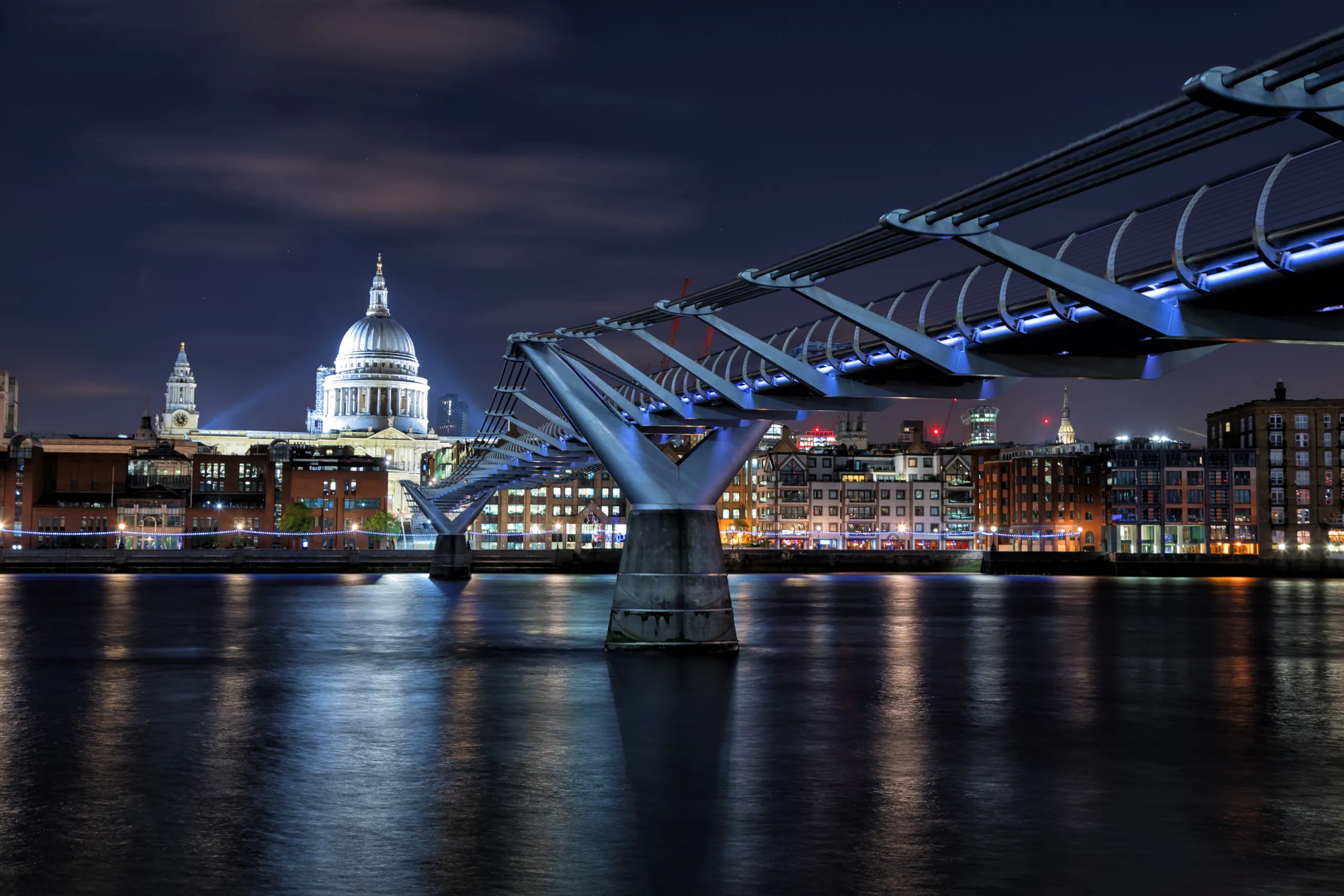
Building trust across the Millennium Bridge
The Millenium Bridge was the first new river crossing built on The Thames in over 100 years. Conceived as part of the UK’s celebration of the new millennium, it represents a unique collaboration between worldclass designers, bold engineering, and urban cultural regeneration.
Florence reflects on this project and the ‘blade of light’ concept that supported psychological safety by lighting up faces as well as the surface, so people could see who was approaching and feel in control.
The real question was not “how bright should it be?” Florence explains, but –
“What does the Millennium Bridge actually symbolise? It’s about connection. How do you want people to feel when they’re crossing that river at night-time.”
The result? A new public realm that is well used today and will be in years to come.
Listen to more here.
 Design for dwelling in Leicester Square Gardens
Florence illuminates the regeneration of Leicester Square Gardens and the importance of understanding the ‘why’ behind the brief. To understand user behaviour and space utilisation, Florence and her team tracked footfall, mapped movement, and noted where people paused, lingered, or avoided.
Lighting was critical in improving night-time safety as part of a wider goal to help reduce anti-social behaviour and encourage a safer night-time economy.
Beam placement and vertical LED illumination levels were calibrated at carefully selected spots in the Gardens to encourage people to dwell. Benches became safe meeting spots, sightlines were clear, and the space felt more welcoming.
As the Gardens became increasingly used, the wider benefits followed. Social activity increased, perceptions of safety improved, and the regeneration investment started to pay back.
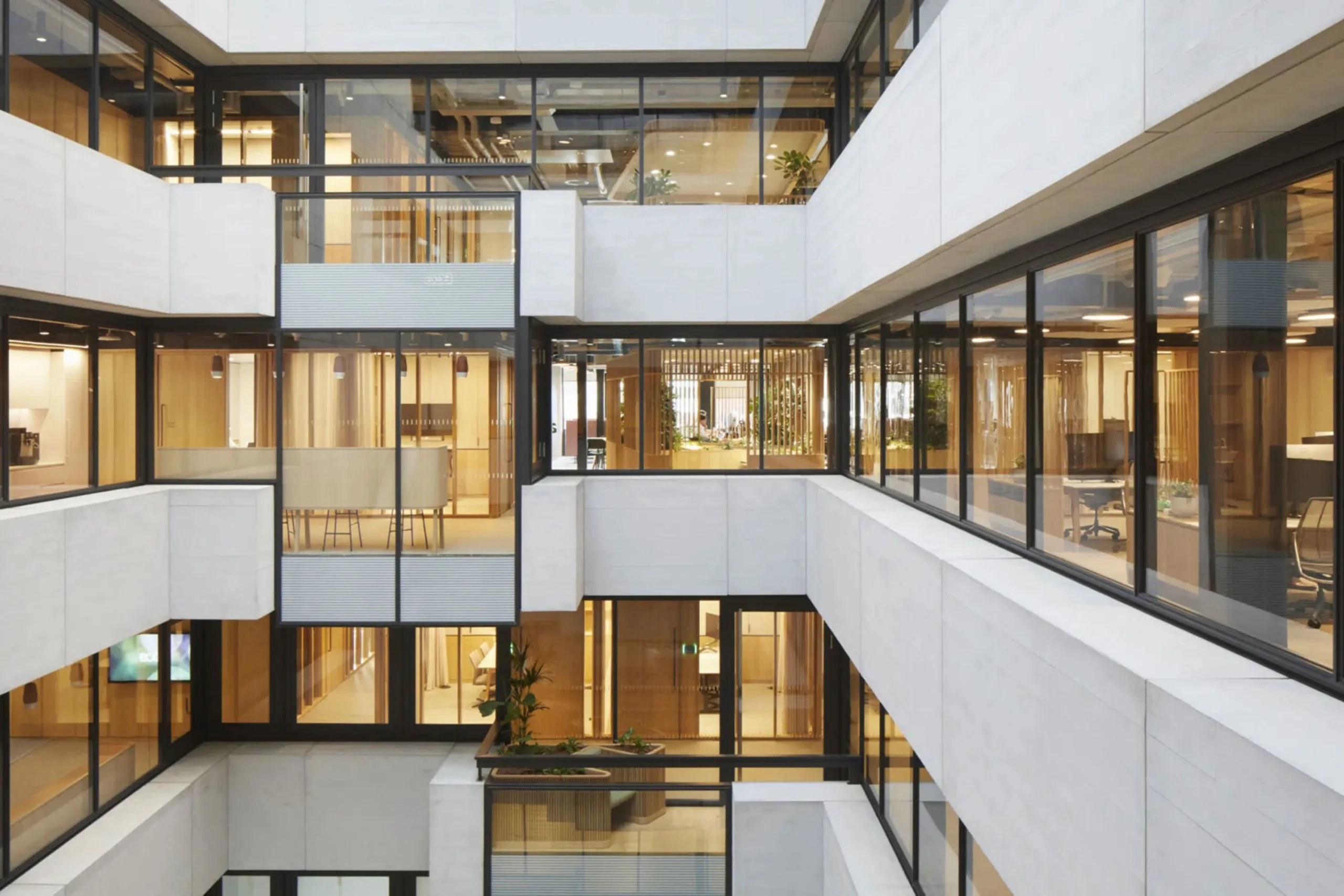
 An office in tune with people’s rhythm, 80 Charlotte Street
At 80 Charlotte Street, Florence advanced human-centric design. Daylight was measured by sensors in different conditions, users experienced a natural approach and benefits to their circadian rhythm, and systems were tuned over time.
Earlier experiments had shown the risks of prescribing environments without understanding long-term effects. Blue-heavy lighting can boost alertness but also disrupts circadian rhythm, and potentially sleep, if used too much. The lesson Florence highlights here is that technology lets us tune environments, but we need to understand people and their usability requirements, not just data, before being prescriptive with an environment.
Listen to the full episode here.
 Making ‘new’ stick
Throughout this episode, Florence explores how LED lighting went from new concept to mass adoption through incremental changes, bringing design teams on a journey of mini steps until the ‘new’ became normal. Florence expresses this:
“The way to overcome cost is that you don’t talk about cost, you talk about value.”
She emphasises that value isn’t just about energy efficiency or meeting building standards, but the social value that a place delivers – the lived value, including how a space feels for people.
The industry’s challenge isn’t a lack of technology, but applying human-centric thinking under commercial, programme, and risk pressures. Adoption is the KPI, linked to social value and is vital in building and public realm longevity. Without it, even the best-intentioned technical outcomes could fall short in delivering their full value.
Episode 2 of Retrofitting Our Reality explores how human-centric design helped turn ‘new’ ideas into everyday places across London.
Watch Episode 2 here.
This article is based on a conversation between Florence Lam and Rebecca Stewart, CEO of Artus Air, in Episode 2 of Retrofitting Our Reality. Across the series, Rebecca explores how design and leadership choices help shape buildings to perform for everyday user requirements, and not just on paper. Rebecca brings 28 years’ experience taking new ideas to market, from Aston Martin to Arup to Artus Air, with a focus on meaningful innovation and lower-carbon outcomes.