 Property Week News, analysis, insight and events for UK property professionals
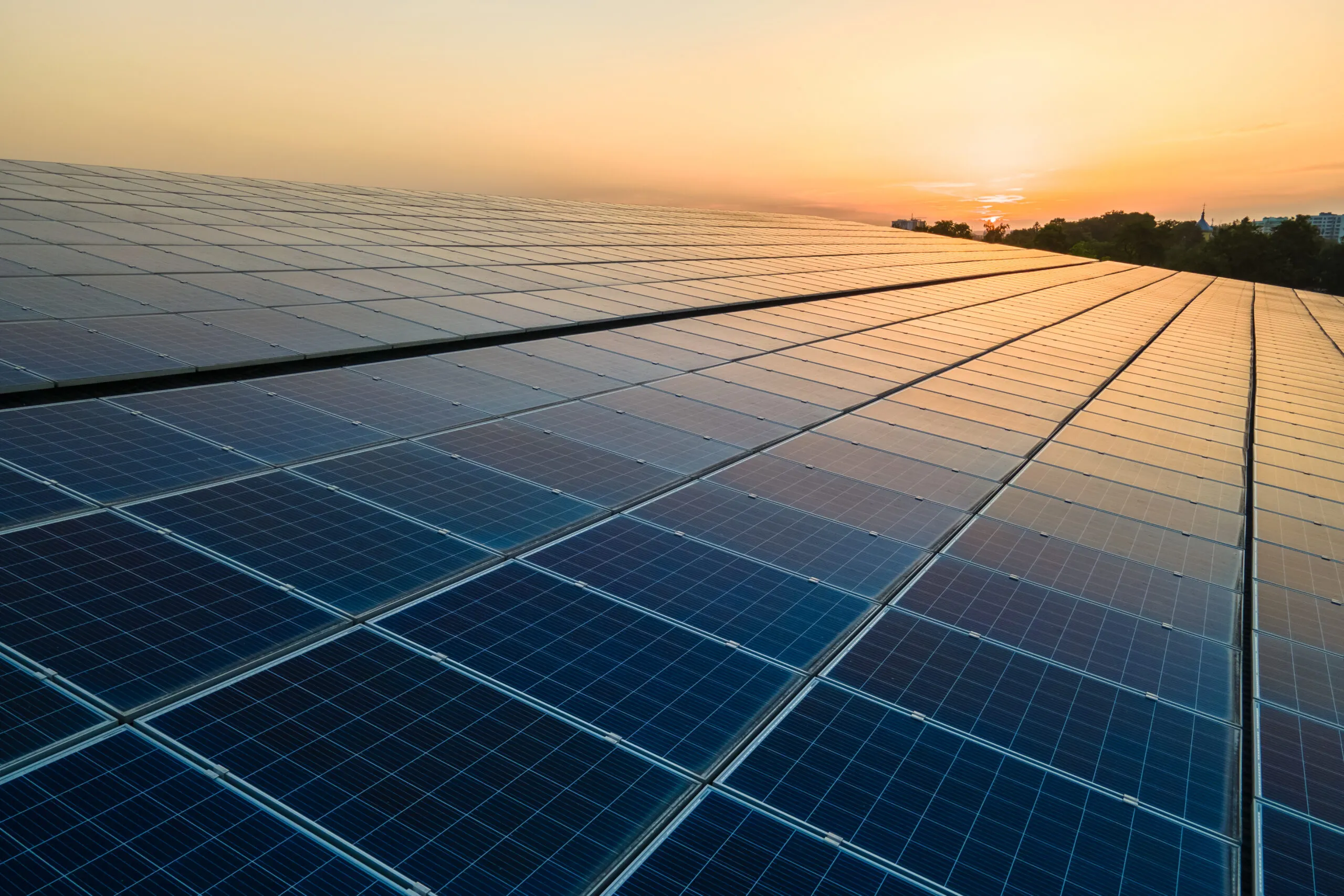
The installation of solar panels is increasingly popular as businesses seek to reduce energy costs and meet their environmental objectives. This trend is evident in the logistics sector where expansive warehouse roof spaces offer ample space for solar installations. It is further supported by the government, which recently published a strategy to encourage a ‘rooftop revolution’ by accelerating the deployment of solar energy.

Jessi Tamber
The installation of solar panels is increasingly popular as businesses seek to reduce energy costs and meet their environmental objectives. This trend is evident in the logistics sector where expansive warehouse roof spaces offer ample space for solar installations. It is further supported by the government, which recently published a strategy to encourage a ‘rooftop revolution’ by accelerating the deployment of solar energy.
There is often a mutual benefit, but landlords must carefully navigate the potential pitfalls associated with granting consent for solar panel installations and the legal, financial and practical considerations involved.
Where photovoltaic (PV) units are intended to serve a single customer, PV providers may be content to simply benefit from a licence to install their equipment. Where PV units are to be connected to the grid and/or will serve multiple units, then a PV provider will usually insist on an underlease of roof space from the tenant. The landlord will then grant a licence for the underletting for the benefit of both the tenant and the PV provider.
Credit: Shutterstock/Bilanol
In either of the above scenarios, the responsibility for repairing and maintaining the solar panel installation must be clearly defined and should fall to the PV provider or the tenant. The lease should include reinstatement obligations to ensure the landlord can rely on the tenant to remove the solar panels and restore the roof to its original condition. These provisions are crucial and often required by lenders to secure funding.
Solar panels are typically installed on rooftops, which may require reinforcement works to prepare the roof for installation. A critical consideration for landlords is determining who will bear the cost and responsibility for these additional works. It is essential to establish clear contractual responsibility to protect the landlord from unforeseen liabilities and specify whether the tenant or the PV provider will be responsible for the costs and completion of the works.
Landlords should further seek warranties or indemnities from the installing party and/or their professional team to ensure direct recourse is available in the event of damage or defects.
PV providers may require landlords to enter into ‘direct funding agreements’, which can impose specific obligations on the landlord. These agreements must be reviewed to understand the potential implications and include conditions to protect the landlord’s position.
Tenants will often need to enter into a power-sharing agreement with the PV provider. Landlords must consider the implications if the tenant opts to exit the lease early (ie by surrendering or exercising a break). There is a risk that the landlord could become liable for the power-sharing agreement, resulting in unforeseen and substantial financial burdens. To mitigate this, landlords should include provisions that address the consequences of early lease termination and ensure that any liabilities are clearly allocated between the tenant and PV provider.
Landlords should seek indemnities from PV providers to cover any damage resulting from the solar panel installation or ongoing maintenance (particularly where a licence has been granted). An indemnity can offer additional security, which ensures the landlord is not left exposed to potential claims.
While landlords may rely on a tenant’s general indemnity within their lease, this may not provide sufficient protection. Where a lease has been granted to the PV provider, this will often contain an indemnity, albeit this may be subject to a cap.
Solar panels can offer significant benefits in terms of both energy savings and sustainability, including supporting the drive towards achieving net zero targets and combatting volatile energy markets. Landlords may increase the property’s marketability by appealing to environmentally conscious tenants and buyers. However, they must carefully navigate the potential risks when granting consent for such installations (or underleases to the PV provider). We recommend they seek expert legal advice to manage any risks and negotiate favourable terms.
Jessi Tamber is an associate at law firm Charles Russell Speechlys