 Property Week News, analysis, insight and events for UK property professionals
The fallout around the Mandelson and Epstein affair means many will have missed another big story in Westminster last week: the plans unveiled to restore the Houses of Parliament, which could cost £40bn and take a staggering 61 years to complete.

Mark Leeson is operations director of McBains
It is an absurd amount, and not just because of the eye-watering scale. The UK has a record of major long-term infrastructure or public projects ballooning far beyond their initial estimates. HS2 is the obvious example: initially estimated at £37.5bn, it is now projected to exceed £100bn. A report by The TaxPayers’ Alliance last year revealed 80% of major government projects had significant issues, with over £6.2bn in cost overruns for several high-profile projects.
Parliament’s refurbishment risks following the same path: decades of disruption and escalating costs. Shadow leader of the Commons Jesse Norman has warned of “eye-watering expenditures” on a project that needs strong governance and extremely tight cost controls. Even fairly minor works on the building have proved problematic. The installation of a new door at the House of Lords ran almost 60% over budget, costing £9.6m, which illustrates the challenges when working on the parliamentary estate.
There is a more radical – but sensible – alternative: build a new parliament for, I estimate, one 40th of the proposed £40bn. Furthermore, it could be completed in less than a decade. It’s a chance to design a building for modern working practices, security standards and energy efficiency.
But the case for a new parliament is not merely financial. At a time when trust in politics and politicians is collapsing, this is a chance to move away from an institution that many view as elite and out of touch, to one that promotes a different ethos, reflecting transparency and accountability.
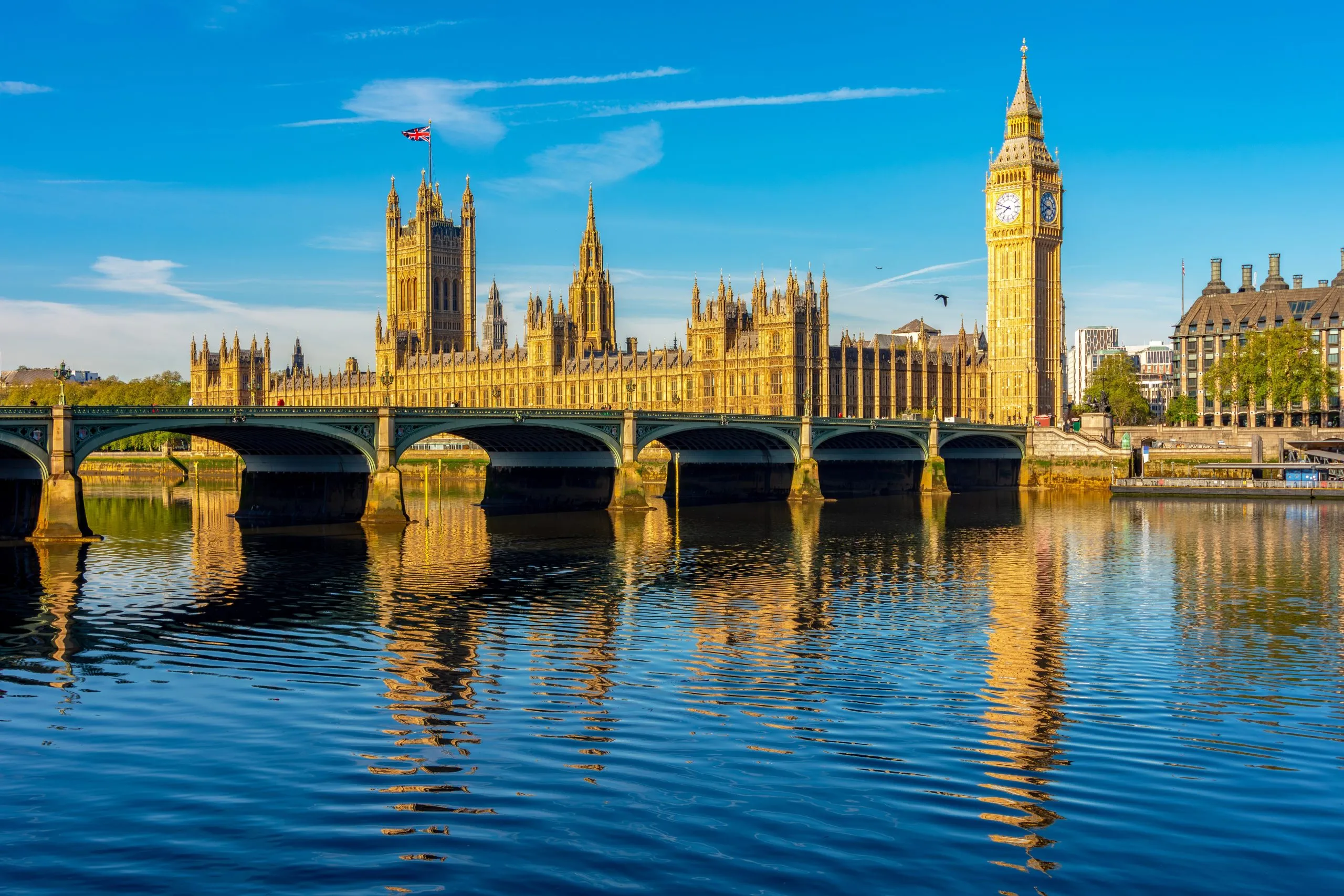
Open to debate: a £40bn Palace of Westminster refurb may not be the best option for parliament
Examples elsewhere show how architecture can reshape democratic culture. Welsh parliament building The Senedd in Cardiff, designed by Richard Rogers and opened in 2006, is intended to showcase openness and transparency and connect the public with the democratic process. Its glass walls invite people to see politics in action, removing the notion that it happens ‘behind closed doors’. The design also prioritises sustainability, with lower running costs thanks to efficient heating, cooling and energy use. A new parliament could achieve the same thing – especially when the upkeep of the current building costs £1.5m a week.
Another example is the Reichstag in Berlin, redesigned by Norman Foster, where the public can look down into the debating chamber through a glass dome, reinforcing the principle that the public are ‘above’ their representatives. Australia’s Parliament House in Canberra was designed to embed government within civic life, rather than elevate it above the public. The public can walk across the roof and view the chambers that are below ground level. In contrast, access to Westminster’s public galleries is limited, with a feeling of distance between MPs and onlookers.
A further benefit to relocating would be that the Palace of Westminster could become a museum, safeguarding its cultural significance while stripping politics of its prestige. In 2024, the palace welcomed more than 560,000 visitors. Opening the entire site to the public would increase revenue through tourism. UK residents could even be given free entry, underscoring that this national institution is a public space, not an elite preserve, while the entry costs for tourists would help pay for the construction of a new parliament building.
Surely the costs and timescale of such a refurbishment mean it is time to rethink restoration. With widespread lack of confidence in politics and constrained public finances, pouring billions into uncertain plans to patch up a historic building for a purpose that now looks misaligned for modern-day politics makes little sense, when a carefully considered but more rapidly delivered alternative could redefine democratic transparency for a new age.
Mark Leeson is operations director of McBains