 Property Week News, analysis, insight and events for UK property professionals
Last month, the government published its eagerly awaited 10-year industrial strategy.

Charlie Withers
It sets out ambitious plans for eight growth sectors, known as the IS-8, but we believe there is also a strong case for logistics to be recognised as a growth sector and for the UK planning system to be streamlined to support it.
Every one of the IS-8 relies on high-tech supply chains and the logistics buildings that facilitate them. Our sector supports a wide range of UK companies, not only in delivering goods, but also in achieving operational goals such as decarbonisation, supply chain resilience and the adoption of advancing technologies, including automation.
According to Oxford Economics, revitalising the UK’s position in global logistics could add £3.9bn to UK GDP by 2030 – so one of the most important things logistics can deliver is national competitiveness.
Logistics sector growth can be achieved at a low cost to the taxpayer by funding and streamlining the UK planning system. Planning reform could unlock billions of pounds of private sector investment for logistics, which proved its critical importance during the pandemic. The key is ensuring that planning supports this effort.
The planning system often hinders development due to complex regulations and the time taken to gain approvals from often under-resourced planning departments. These issues cause delays and uncertainty, requiring a shift to faster, pro-development processes.
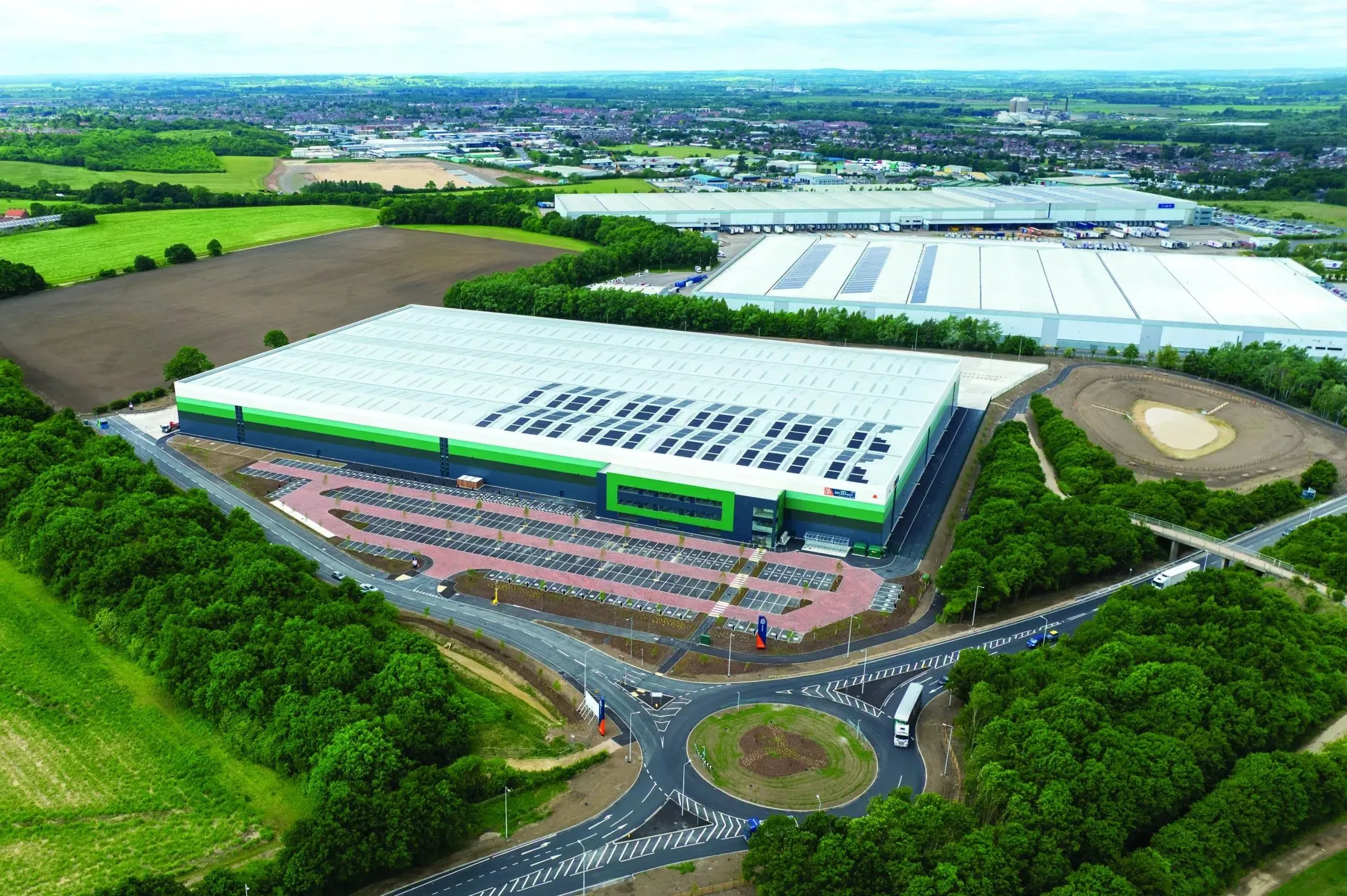
Critical infrastructure: I&L supports a host of other sectors
While the government has increased funding for local planning, the budget allocated amounts to fewer than one extra planner per authority. This support must be significantly enhanced, ensuring planning teams are based locally. The government should deploy sufficient resources to attract and retain the talent required to make critical decisions in a timely manner.
Land supply for development is also vital. Tritax Big Box has an extensive land portfolio ready for development, subject to gaining planning consent. But land is a limited national resource. Those with land to deploy for employment uses at little or no cost to the public purse should be encouraged to bring it forward. Planning cycles mean land identified for future employment can take up to 10 years to get through the planning system – too long for companies to wait.
By focusing on planning improvements and dialogue between stakeholders, the UK can support the logistics sector to continue evolving, supplying infrastructure that underpins a modern, productive economy.
Tritax Big Box’s Future Space survey shows occupiers typically identify two or three key factors as influencing their decision to take space, including increasing automation to make productivity gains. New space has accounted for two thirds of logistics real estate take-up since 2010, which shows why bringing forward well-located, newly developed buildings in a timely manner is so important.
Logistics real estate is critical national infrastructure. Treating it as such, with clear and enabling policies, will position the UK for long-term resilience and prosperity.
Charlie Withers, partner, development director, Tritax Big Box