Property Week News, analysis, insight and events for UK property professionals
Employers and industry bodies need to do much more if the property sector is to hire and, importantly, keep the best future talent.
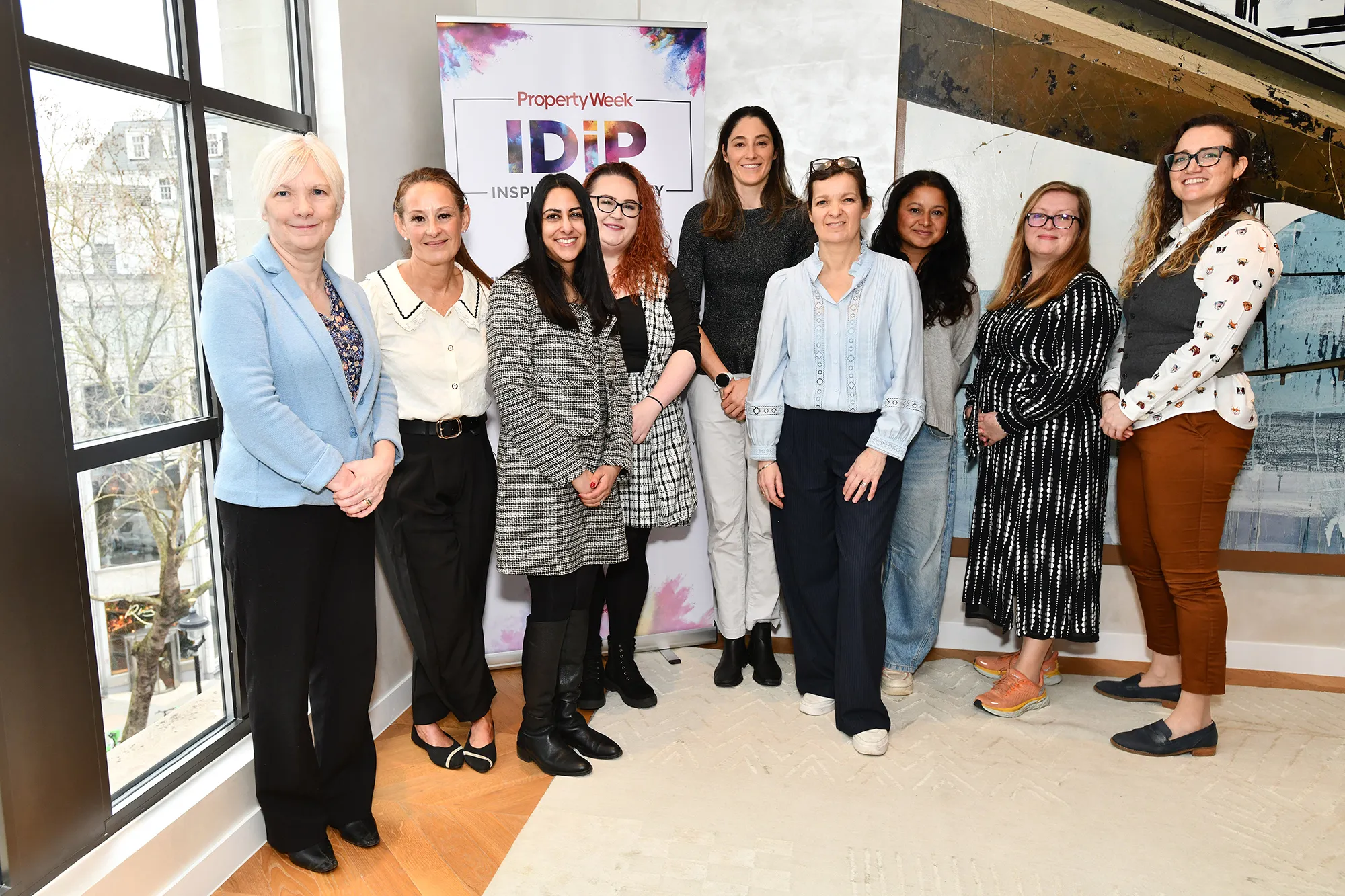
Expert panel
- Saira Choudhry, partner, PwC
- Naomi Fearnett, head of early careers, Knight Frank
- Sarah Moulton, chief people and transformation officer, Argyll
- Tarinee Pandey, chief people officer, Puma Property Finance
- Lisa-Jane Risk, head of operations, Places for London
- Sam Sommerville, talent manager, Canary Wharf Group
- Sybil Taunton, head of diversity, equity and inclusion, RICS
- Gemma Webb, group head of employee experience, Barratt Redrow
- Mel Flaherty, deputy editor, Property Week

Saira Choudhry

Naomi Fearnett

Sarah Moulton

Tarinee Pandey

Lisa-Jane Risk

Sam Sommerville

Sybil Taunton

Gemma Webb
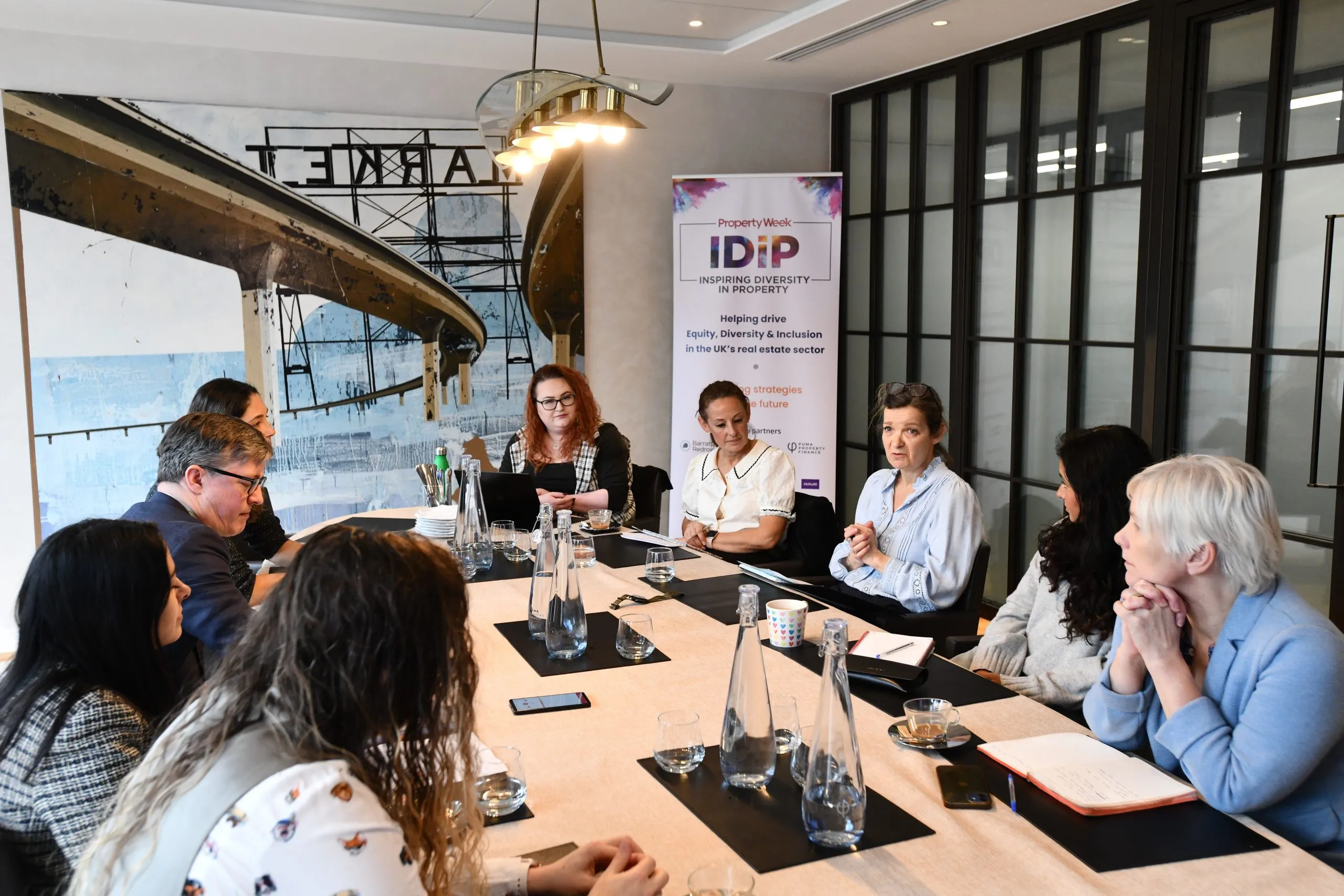
That was a key conclusion arising from Property Week’s recent Inspiring Diversity in Property roundtable discussion.
Meeting as part of Property Week’s campaign to drive diversity in the sector, the experts outlined how organisations, by appreciating the wider context of the challenge and working together, could improve both the reality and the perception of property as an industry that embraces diversity in its workforce.
Hiring the best people is only one part of the challenge for the sector, they agreed, as it is also failing to retain many employees from diverse backgrounds.
Property Week deputy editor Mel Flaherty, who chaired the debate, held in association with partners Barratt Redrow, Knight Frank and Puma Property Finance, cited a recent study from The Bridge Group as evidence of the challenge facing the property industry.
The study, supported by the JLL UK Foundation and in partnership with Real Estate Balance, shows how leading property businesses face a “stark lack” of socioeconomic diversity in their workforces, especially in senior roles, in contrast to the finance and legal sectors.
The panel agreed that recruitment demands flexibility if an organisation is to attract job seekers from different backgrounds and benefit from the diversity of thought that brings. Property organisations in the public and private sector are seeing success with a range of initiatives, from partnering with social mobility charities to joining work experience programmes and opening up more routes into employment for non-graduates.
Both Argyll and Puma partner with 10,000 Black Interns, a programme that runs across many different sectors.
Saira Choudhry, partner at PwC and a Real Estate Balance board member, explained how PwC had set up its own programmes to attract people from broader backgrounds at earlier stages in the recruitment process. These include the women in business and black talent in business programmes that feed into its internship programme, which in turn feeds into its graduate scheme.
 Lisa-Jane Risk, head of operations at Transport for London’s property arm Places for London, said it was offering work experience opportunities and working with social mobility charity Construction Youth Trust to open up opportunities for young people. But in general, the sector’s focus on graduates is a problem, she added.
According to Risk, other routes into the industry, including apprenticeships, must be encouraged. “We are automatically excluding a whole raft of people from coming into property,” she said. “The industry as a whole needs to think about that.”
For Risk, the challenge for any property organisation is how to grow its own talent and support people on their career journey.
Wider outlook needed
Gemma Webb, Barratt Redrow’s group head of employee experience, agreed and added that a wider outlook was needed to get more young people to consider property as a career. “We have a large school outreach programme, but we’re really conscious it’s about talking to parents [too]. The perception of what construction looks like [to them] is not the reality of who we are.”
Sarah Moulton, chief people and transformation officer at Argyll, observed that companies also needed to be in a position to offer opportunities for work experience to make partnerships with programmes such as 10,000 Black Interns work.
She added that the overall industry culture also needed attention if people from less traditional backgrounds to the current norm in property were to feel they belonged in the sector. She noted that property compared poorly in this regard against other sectors she had worked in, such as retail and gyms, which, in her experience, were much more inclusive “in everything they do”.
Risk agreed that people from diverse backgrounds often needed extra “pastoral support” to succeed and stay in the sector. She acknowledged that it was “difficult for a smaller business to put that in place for a handful of people”. To address this, Places for London has set up its Skills for Business programme, providing employee upskilling for SME tenant clients.
According to Sam Sommerville, talent manager at Canary Wharf Group and a former member of its junior board, her firm uses partnerships to provide support in areas such a helping graduates get their RICS accreditation, by ensuring they get valuation experience through its connections with Knight Frank and Savills.
Smaller organisations face harder challenges in both recruitment and ensuring their staff get the right support and training. Tarinee Pandey, chief people officer at Puma Property Finance, said: “It can be quite terrifying from a small business perspective. How do we get people to know places like us exist? We are brilliant from a culture perspective. We are in the top 100 companies to work for, but we don’t have the scale of resources to be able to go out to the universities.”
Puma will launch its first graduate scheme this year, she revealed, adding: “But it’s quite constrained from a capacity perspective, so we have to be quite realistic about balancing what we are trying to do with the reality of managing a commercial business.”
Sybil Taunton, head of diversity, equity and inclusion at RICS, pointed out that candidates also needed support before getting involved with individual organisations.
She pointed to research from the BE Inclusive group of eight built environment membership bodies, including RICS, showing that employers said many graduate scheme applicants – particularly those who weren’t from leading courses – weren’t prepared for what the application process entailed.
She said this posed the questions: “Is it employers’ responsibility to be more transparent? Is it on universities to do more sessions, so students from universities that aren’t Oxford Brookes and Reading feel as confident, prepared and ready for the group exercises. And is it on professional bodies – do we have to do more in that space?”
Ensuring people are in a supportive working environment once they start is another challenge. Sommerville said: “Younger staff want to experience this in the office. [They are] in a people industry; they want to connect with people, and they aren’t doing that over Teams.”
Pandey was clear on what to aim for: “You have to create a workforce – to create a workplace – that looks at people’s individual needs and makes sure people can pick and choose and have access to the things they need.”
While having the right policies to support people’s needs helps, it is also clear from the experiences shared around the table that a one-size-fits-all approach will fail. As Taunton said: “It’s hard work to decide what the right type of policy is, based on individual needs. But when we do that hard work, we find that we do get the best out of people.”
Webb pointed out the importance of individual line managers in making this work, while Moulton said there needed to be “a shift to a delivery focus”, her ideal guidance to staff being to “do what you need to do”.
She added: “As long as we hit [the targets] that we need to hit, I am genuinely not bothered where you are. Someone being present does not mean they deliver more or of a greater quality. You get a much greater output from people where you actually meet their personal needs.”
Working culture is a wider industry issue, Taunton said. BE Inclusive has a dedicated pillar of its action plan to address the issue of industry culture for 2030. She said the most alarming point for her was that when students were asked why they weren’t completing degree programmes, pursuing graduate placements or careers in the industry, one of the most prominent themes coming through was property’s culture.
Examples of the explanations they gave included “the culture of the industry is putting me off” or “I don’t see this as a career for me for the long term”, while another said “it’s not going to be safe for me”.
Collaborative approach
Collaboration, co-operation and developing successful partnerships will be important ways of working if these challenges are going to be met, the panel agreed.
Naomi Fearnett, head of early careers at Knight Frank, was pleased by the way peers in property can work together, even sharing insights into salary benchmarking. “It’s really quite open, which is a nice way to be. The intention is there, but the question is: how do we all get together to make an impact?”
Individual organisations can do much to offer a better environment and support for diversity, but there are also other opportunities to do more to promote people from different backgrounds throughout the industry.
Knight Frank received 2,600 applications for 25 roles on its graduate scheme, according to Fearnett, so there will be a lot of disappointed applicants.
But she added that this high demand could also provide a chance to show them the wealth of opportunity for other, different careers in property.
Taunton said this is a challenge her organisation and other professional bodies must take on: “They have great marketing teams – I love that everyone knows about Knight Frank, JLL and Savills – but [candidates] don’t always know there’s also opportunity with retail, with hospitality, with the public sector.
“It’s [about] helping all the graduates who are ‘spraying and praying’ across these applications to know that there’s so many more [options] they could be considering.”