 Property Week News, analysis, insight and events for UK property professionals
As industries evolve, it can be easy to lose sight of what came before, but within every site lies a story. Today, developers are increasingly recognising the responsibility they bear in not just building for the future but acknowledging the past.

Mark Shepherd is vice-president, development management, at Prologis UK
In 2025, developments begin with a thorough understanding of the site’s past, not just through statutory requirements but through extensive historical mapping and community engagement. This due diligence often extends back hundreds of years, uncovering previous land uses and hidden layers of industrial history.
From coalfields to brickworks, each site comes with its own story that should be preserved and celebrated. Respecting the land is hugely important. Companies should think of themselves as stewards of these spaces – being mindful and balancing commercial interests with the cultural memory of the land.
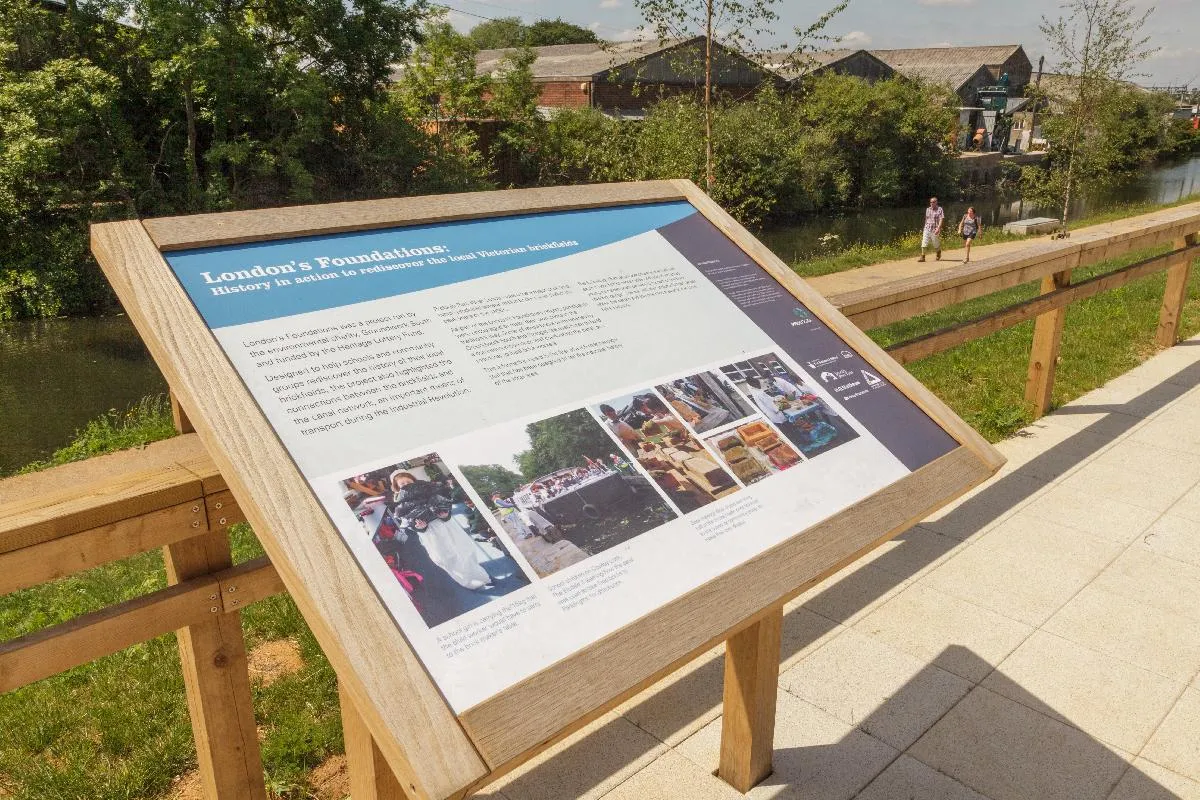
While planning laws already require archaeological assessments and heritage consideration, it is time to go beyond what’s mandated. During the development of Daventry International Rail Freight Terminal, for example, one of the most significant Iron Age settlements in the UK was uncovered. Over several months, archaeologists conducted geophysical surveys and physical trenching to map and record the findings. The results were translated into technical reports and also made accessible to the local community through an easy-to-read guide, materials for local schools and onsite boards with illustrations and historical timelines.
Old and new: I&L developments should celebrate and preserve industrial heritage
In these cases, companies need to balance the urgency of development with the need to preserve something special, documenting the history so it isn’t lost, and making sure the community can engage with it, too.
Beyond archaeology, imaginative ways to bring heritage into developments can include collaboration with artists, schools and local historical societies. At a development in Coventry, a mining pit wheel was transformed into a sculptural memorial for a former colliery; while in west London, bricks made by local schoolchildren were used to build a commemorative wall marking the site’s brick-making past. Each brick bears the name of a student, creating a tangible link between industry and future generations.
These efforts do more than just check a box; they contribute to a sense of identity. Logistics parks now include trails, open spaces and public art that invite the community in rather than fencing them out – a shift that has become prominent over the past two decades. It is about opening up, integrating communities and using history as a bridge.
The shift in how developers think about preserving industrial heritage over the past 20 years has been significant, as the sector becomes more attuned to culture, legacy and placemaking, but some still lag behind in terms of documenting and celebrating this history. Commemorating industrial heritage is about anchoring new spaces in the context of what came before and creating places where people feel a connection to its history for years to come.
Mark Shepherd is vice-president, development management, at Prologis UK