 Property Week News, analysis, insight and events for UK property professionals
Housing delivery, or more specifically the lack thereof, has dogged successive governments on both sides of the political spectrum.

Victoria Du Croz is head of planning and a partner at Forsters
The provision of affordable housing is just one element of this, but it is closely tied to how much open market housing is being built.
By 1990, the delivery of affordable housing was already in crisis, with a steep decline in council delivery, which was not being offset by housing associations. To tackle this issue, developer contributions were reformed and Section 106 was introduced as part of the Town and Country Planning Act 1990 in the dying days of the Thatcher government.
In a relatively short time, S106 was responsible for half of all new affordable homes. However, the issue with linking private capital and affordable housing was laid bare during the 2008 financial crash. Arguably, neither has fully recovered, with open market housing only flourishing as a result of supply-side interventions that stimulated the market, alongside the removal of constraints to deliver affordable housing.
More radical thinking, such as the reintroduction of S106BA, would be a more effective mechanism
The current government’s latest attempt to address the barriers to housing delivery was set out in its recent policy paper on social and affordable housing. The government’s decision to lay out ‘solutions’ to the affordable housing conundrum in a policy paper means there is no requirement for secondary legislation, which more complex measures would necessitate. However, this does raise the question of whether the solutions are radical enough to address the pace of new homes delivery. All eyes are on the Spring Statement on 3 March, with growing speculation about the prospect of a Help to Buy 2.0.
The proposals in the policy paper mean local planning authorities (LPAs) will need to adhere to a new emergency, time-limited approach to uncontracted S106 units, in cases where developers can demonstrate that no registered provider (RP) is willing to purchase them.
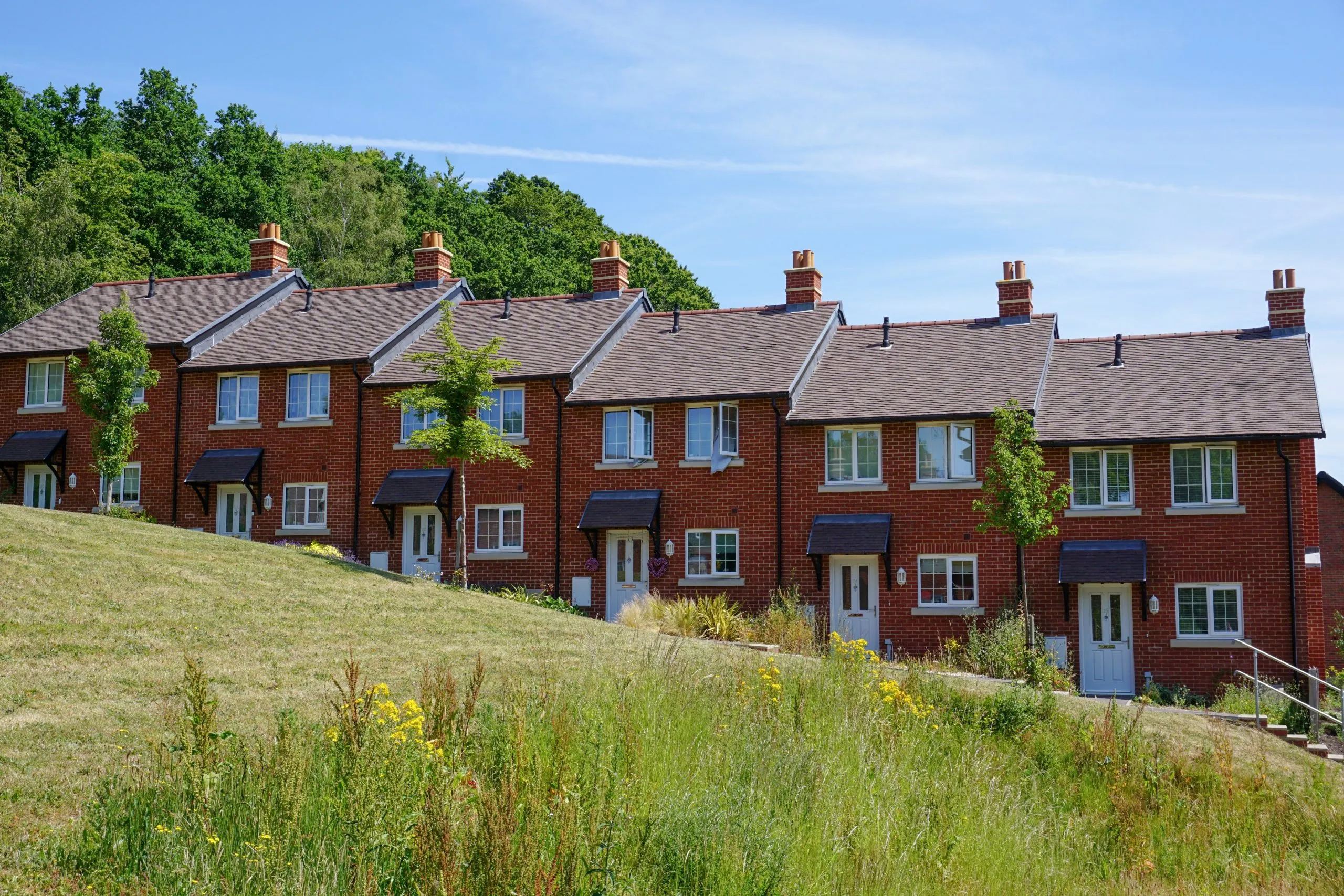
Build up: local planning authorities need to be brought into discussions around affordable housing
A major concern here is whether there will be agreement between central government and LPAs on the proof points needed to demonstrate that sufficient time has been given to securing an RP. The government ‘expectation’ can be very different to the reality, where LPAs will be under considerable political pressure within their borough to deliver affordable housing.
Elected officials are ever mindful of the next ballot-box moment, with development and affordable housing continuing to feature high among constituent agendas. Even when it comes to planning officers, there is reluctance to reopen S106 negotiations around affordable housing given its sensitivities. A clear legal requirement on LPAs would be preferable here, removing any ambiguity and ensuring consistency between local authorities.
Unforeseen effects
More detail is expected to be released in the spring and this should include clarity on whether the tenure change will be a conversion to another form of affordable housing or straight to open market. If the homes go on to the open market, it is likely that developers will incur a payment in lieu, but this throws up its own challenges, with local authorities unlikely to have the resources to deliver affordable housing. These payments could end up adding to the billions of pounds of unspent developer contributions sitting with councils waiting to be deployed.
Facilitating the more effective delivery of S106 homes is a worthy aim and while early collaboration between RPs and developers could unlock some of the issues that occur around the transfer of stock, LPAs need to be brought in on these discussions to ensure there is alignment with their wants, needs and expectations, too.
Reviewing S106 is an important step to reforming how the system works and it is positive that it is being looked at; but, at present, this policy may well fall into the ‘too little, too late’ camp. More radical thinking, such as the reintroduction of S106BA – a temporary provision enacted in 2016 that enabled developers to review affordable housing obligations on the grounds of viability – would be a more effective mechanism if broadened to include scenarios where RPs will not take the affordable units.
It would bring LPAs to the table to reconsider affordable housing obligations and enable developers to get on with the task of delivering new homes.
Victoria Du Croz is head of planning and a partner at Forsters