 Property Week News, analysis, insight and events for UK property professionals
The government’s latest U-turn on business rates, with the chancellor’s announcement of an £80m support package for pubs and live music venues, has been greeted with predictable relief.

John Webber is head of business rates at Colliers
After all, when some pubs were staring down the barrel of business rates bills rising by more than 75% over the next three years, any reprieve was bound to be welcome.
But let’s not pretend this is anything more than a temporary fix. At best, it buys time; at worst, it papers over deep structural cracks in an outdated system that continues to punish hospitality businesses across the UK.
The £80m support package, part of a wider three-year £300m to £400m pot, is not insignificant. An extra 15% cut to new business rates bills from April, followed by a two-year real-terms freeze, will undoubtedly help many venues survive the immediate shock of the 2026 revaluation.
This latest U-turn may be lucky number 13 for pubs, but luck is not a sustainable policy
The promise that this relief will not be capped or limited by subsidy control is also welcome. For pubs already battling rising wages, energy costs and changing consumer habits, this intervention could make the difference between staying open and shutting their doors.
However, the fact that such a dramatic U-turn was needed should ring alarm bells. The original policy, based on soaring rateable values combined with a business rates multiplier that was just not small enough, was fundamentally flawed. It would have driven big increases in bills for pubs at a time when the sector is already under extreme pressure. That the government only acted after such a widespread backlash highlights how poorly thought out its approach was initially.
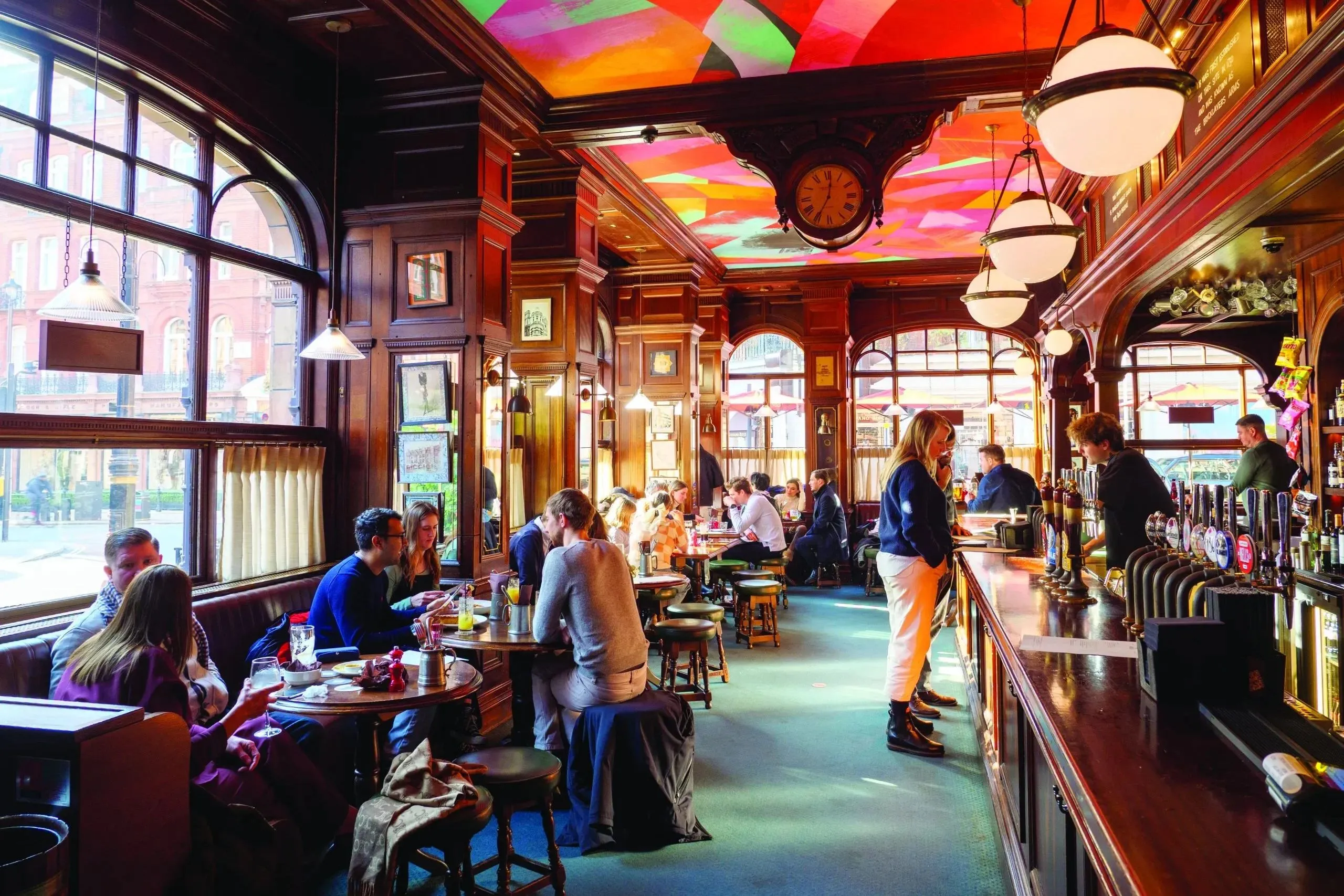
Last-chance saloon: the business rates relief package for pubs may offer only a temporary respite
More troubling still is what this episode says about the wider business rates system. Successive governments have tinkered around the edges, offering relief here and exemptions there, while failing to confront the core problems. For pubs, the valuation method is complex, comparing rent and turnover but largely ignoring the reality of rising costs. Some Valuation Office Agency valuation practices also warrant closer scrutiny. Freezing increases until 2029 without addressing these fundamentals simply kicks the problem down the road.
Hung out to dry
While pubs and live music venues may feel they have dodged a bullet, much of the rest of the retail, hospitality and leisure sector has been left hanging out to dry. Hotels, in particular, have been badly hit by the 2026 revaluation, with average rateable value increases of 76% and some facing business rate rises of more than 150% over the 2026 rating list.
Despite acknowledging that business rates are too high, the government is offering hotels no short-term relief at all. A promise to review valuation methodology by 2029 is cold comfort when businesses are expected to absorb inflated and arguably incorrect values for the next three years.
This selective approach raises uncomfortable questions. Why does one part of the hospitality sector merit urgent support while others are excluded entirely? Cafés, restaurants, hotels, nightclubs, theatres and sporting venues have all been told they are not eligible for relief. The message, intentional or not, is that only those who shout the loudest get listened to. That is no way to design coherent economic policy.
The forthcoming High Street Strategy, due later this year, is being billed as a blueprint to help retail, hospitality and leisure businesses thrive. But strategies and reviews will mean little unless they are accompanied by meaningful reform. Business rates remain one of the biggest fixed costs UK businesses face, yet the system is still rooted in assumptions that no longer reflect the modern economy.
This latest U-turn may be lucky number 13 for pubs, but luck is not a sustainable policy. Without serious reform of both valuation methods and multipliers, the government will find itself lurching from crisis to crisis, announcing ever more temporary reliefs to patch a broken system. Pubs may have been spared for now, but the wider hospitality sector is still paying the price for a model that no longer makes sense – and patience is wearing thin.