 Property Week News, analysis, insight and events for UK property professionals
The UK government’s recent reversal on business rates support for hospitality and high street businesses, pubs in particular, may have prevented one crisis, but the sector is not out of the woods yet.

Sam Spencer is a partner at Bruton Knowles
What’s concerning is that significant economic policies are being designed and announced without any proper consultation with the sectors they affect most.
In the case of hospitality businesses, landlords and property professionals were left with a change that would have removed critical rates relief in the midst of what is already a bruising time for the sector.
The sector employed 2.6 million people last year, accounting for 7.1% of all UK jobs, making hospitality the sixth-largest sector in the country. In 2023, it contributed £69.5bn to the economy, which would make the hospitality sector the equivalent of the 81st richest country by GDP.
Before the Autumn Statement, the government had indicated that a tax discount for hospitality businesses of up to 20p was on the table. Expectations were raised. But when the Budget was delivered, the actual measure was a reduction of just 5p. For the 2024-25 tax year, business rates used a standard multiplier of 54.6p and a small-business multiplier of 49.9p. There was a 75% relief for retail, hospitality and leisure up to £110,000. But even then, these businesses were still working on razor-thin margins.
The industry isn’t asking for special treatment; it’s just asking for informed, responsible policymaking
As things stand, the average hotel’s business rates will rise by £28,900 next year and a staggering £205,200 in total over the next three years. These are businesses that have barely recovered from the pandemic, now battling inflation, staffing shortages and high energy costs. How many rooms are you going to have to sell to claw back that cost? Many hoteliers will see upping their prices as the only viable course of action.
As someone who works closely with commercial property occupiers and landlords across the UK, I see the strain every day. For pubs in particular, which are already grappling with rising input costs, staff shortages and footfall shifts, the proposed withdrawal of support was nothing short of an existential threat.
For many independent businesses, particularly in hospitality, rates are already among the highest fixed costs and any uncertainty over relief can be the difference between survival and closure.
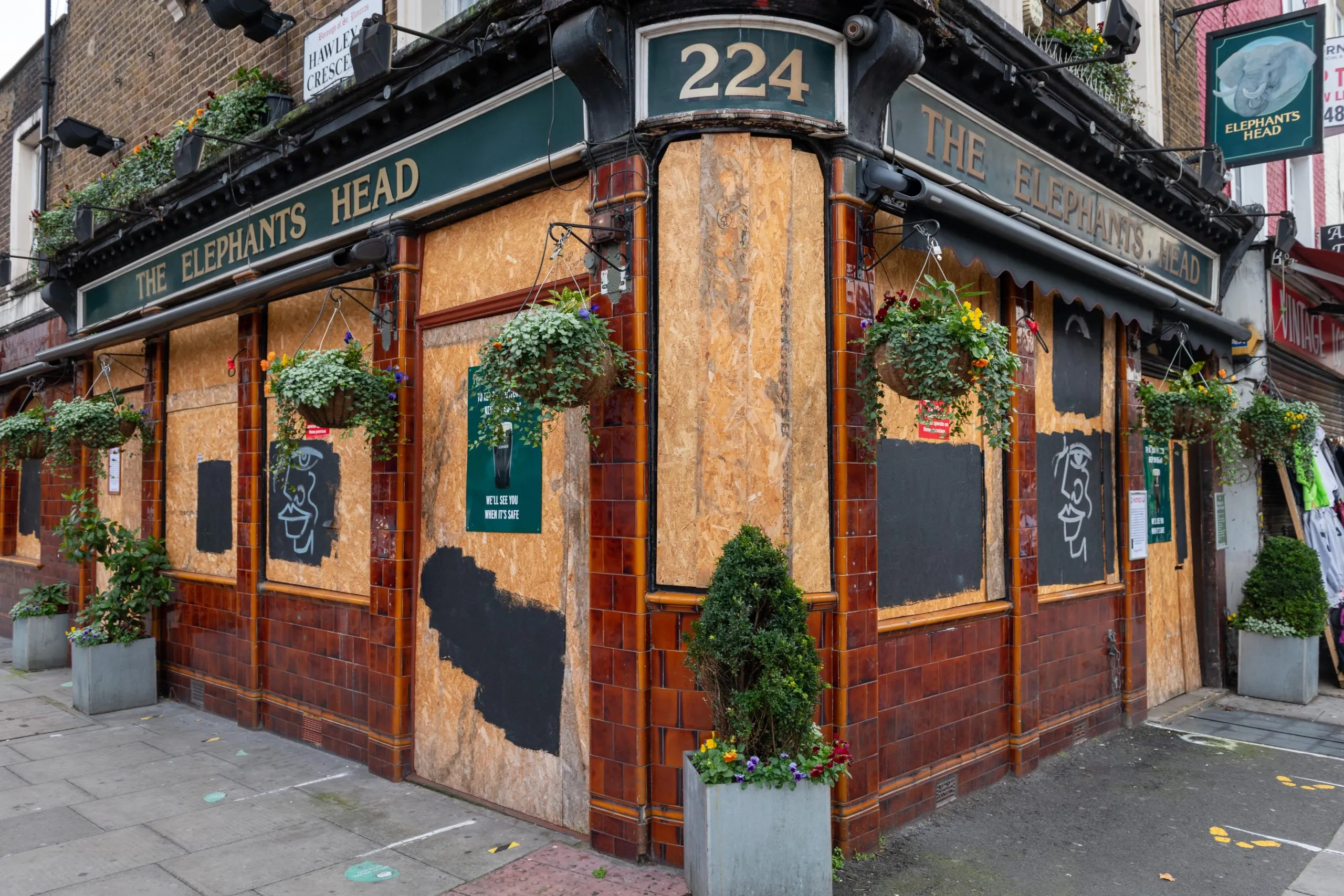
New measures: fear of more pub closures led the government to promise a business rates relief package
Business rates receipts are projected to rise by £10bn by 2031, according to the Office for Budget Responsibility. In that context, the Treasury’s promise of a £4.3bn support fund to help businesses as relief is phased out may seem generous; but in reality, it’s a temporary cushion against a rising long-term burden.
Serious implications
The implications are serious. UKHospitality predicts that 2,076 hospitality venues could close this year due to business rate rises. That figure may be revised, as it suggested 540 of those 2,076 would be pubs, which are now being offered additional support; but even so, it’s an enormous figure affecting tens of thousands of people.
Now the policy has been softened, other sectors are asking questions; cafés and independent restaurants want answers, too. This is because the policy wasn’t well thought through in the first place. Questions are rightly being asked, because there’s doubt over the support offered for hotels, restaurants and other high street businesses.
The industry isn’t asking for special treatment; it’s just asking for informed, responsible policymaking. Businesses need predictability, transparency and consultation – that’s how you create a healthy and functioning market. Big announcements followed by a softening not even a full quarter later only serve to undermine investor confidence and exacerbate uncertainty.
In the Autumn Budget, the chancellor claimed she would cut business rates to a 35-year low for more than 750,000 properties across retail, hospitality and leisure. But I’ve yet to see evidence of anybody who is actually satisfied with the measures.
Real people get harmed when you don’t consider all the ripple effects, or make decisions without full knowledge. Businesses close, jobs are lost, high streets die and costs for customers become unpalatable, because businesses have to hike their prices to try to claw back the money. It’s hard to see who wins in these circumstances.
Sam Spencer is a partner at Bruton Knowles