 Property Week News, analysis, insight and events for UK property professionals
The launch this month of the £2bn Liverpool City Region Investment Fund is a signal of intent, backing new homes, commercial development and transport infrastructure to accelerate growth across the city region.

Helen Brown
Designed to unlock a wider £11bn of investment, it marks a clear shift in ambition in the North, from managing decline to driving a new phase of regional transformation.
But for those of us watching the cranes return to the Mersey, a more important question remains: will the investment simply change the skyline, or will it change the lives of the people beneath it?
Liverpool’s progress in the past two decades shows what sustained regeneration can achieve. Long-term investment in the city, from waterfront renewal and city centre regeneration to transport upgrades and cultural assets, has helped transform both its economy and its identity.
Our latest report, ‘Making Places Work’, which tracks how life and work have changed across the North since the millennium, shows rising employment, improving skills levels and stronger civic participation. These are clear signs that long-term investment in places can work.
But the same data also points to a more complex picture. The report shows that while Liverpool is making clear economic progress with big improvements in higher-level qualifications and more first-time homebuyers, underlying challenges remain, especially with productivity, income and business density. This is the regeneration paradox: visible economic progress alongside persistent inequality.
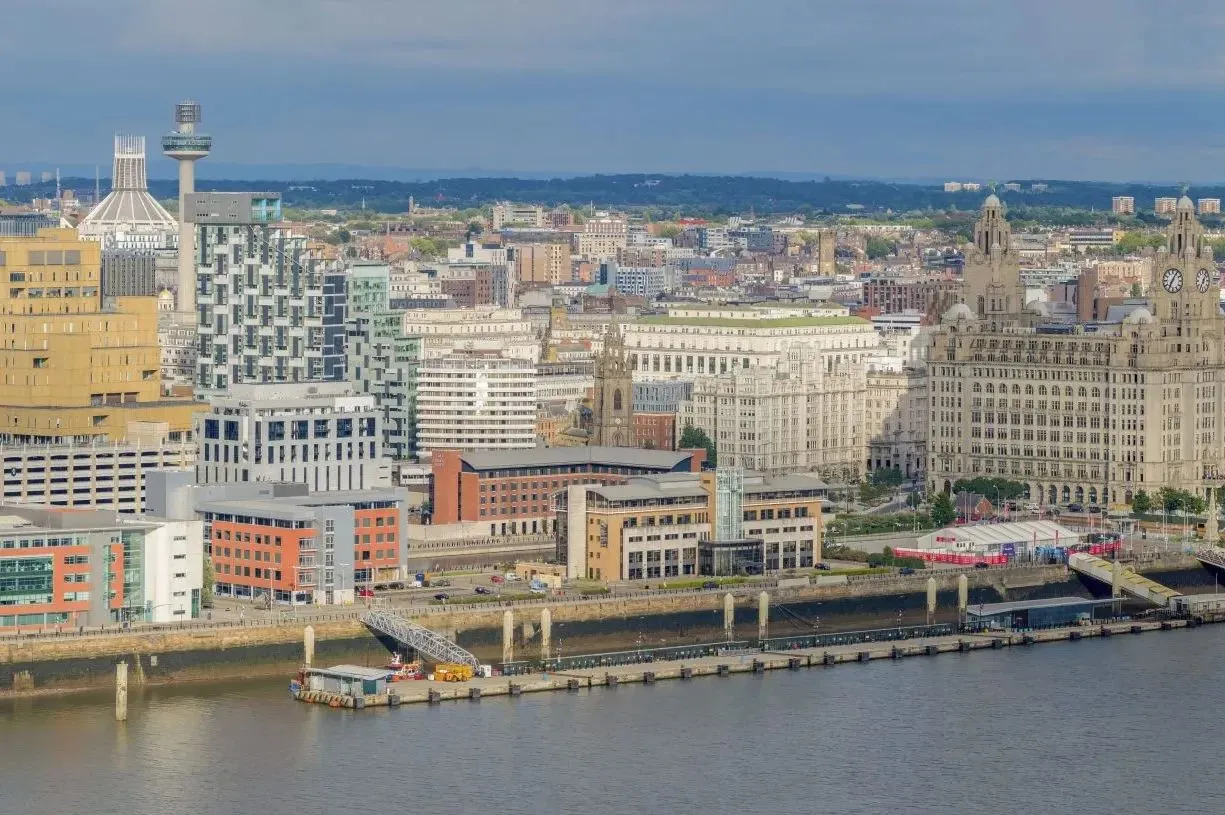
Mersey makeover: the Liverpool City Region Investment Fund will pump £2bn into regeneration
Too often, regeneration is judged by what gets built, not what changes. Developments can reshape a skyline, win investment and create jobs, but do not automatically improve outcomes for local communities. Growth that does not bring higher incomes, or better opportunities and life chances, risks leaving parts of the region behind.
That is why the next phase of Liverpool’s regeneration must go further. The city region’s plans recognise this challenge. Alongside investment in high-growth sectors such as life sciences, digital technology and advanced manufacturing, there is a focus on the fundamentals that underpin inclusive growth: new transport links, including rail stations and a publicly owned train fleet; tens of thousands of new and improved homes; and investment in digital infrastructure to connect people and businesses.
Access to opportunities
Commitments to job creation and apprenticeships are vital, ensuring local people can access the opportunities regeneration brings. Investment in housing, including affordable and social tenures, will also be critical in a city where strong demand is already pushing up prices.
These are the right building blocks. But the risk is that, once the cranes go up, the wider purpose of regeneration is lost in the momentum of delivery. Success will depend on whether this investment is used not just to drive growth but to shape it – ensuring that new jobs are accessible, skills development aligns with local needs and communities are not priced out of the places they call home.
The ultimate test of any billion-pound regeneration programme is not its commercial return, but its impact on the streets. Regeneration only succeeds when it is shared and the benefits of growth are felt not just in city centres, but in neighbourhoods across the region. That requires long-term commitment, alignment between public and private partners and a focus on outcomes, not just outputs.
Liverpool has the assets, momentum and now the funding to make this next phase count. But the next decade will not be defined by how much gets built; it will be defined by whether that £2bn investment – and the £11bn it is set to unlock – translates into stronger businesses, better jobs and real opportunities for the communities living there.
Helen Brown is partner and joint head of housing at Brabners