 Property Week News, analysis, insight and events for UK property professionals
After a turbulent few years characterised by supply chain constraints and shifting occupier priorities, the UK’s industrial and logistics (I&L) sector is stepping into 2026 with a sense of cautious but genuine optimism.

Aisling O’Kane
Recent sentiment from colleagues and clients highlights a sector that is gradually stabilising, which is precisely what the market called for at multiple industry events last year.
One of the clearest signals of renewed confidence is the rebound in occupier activity. By Q3 2025, demand had risen to its highest quarterly level since mid-2022, driven largely by occupiers reactivating plans that had been paused during the challenging economic period. Food retailers and third-party logistics providers (3PLs) have been especially active, helping to revitalise the big-box market and reaffirming the essential role of I&L infrastructure in supporting the national economy.
But what does this mean for planning?
The government’s changes to the National Planning Policy Framework (NPPF) in December 2024 represented a major shift whereby I&L was for the first time explicitly referenced in national policy, followed by the pro-growth Modern Industrial Strategy last June.
These were swiftly reinforced through the Planning and Infrastructure Act, which received royal assent in December. Alongside this, the government released a comprehensive consultation on a rewritten NPPF, setting
out a clearer national, strategic and local planning system.
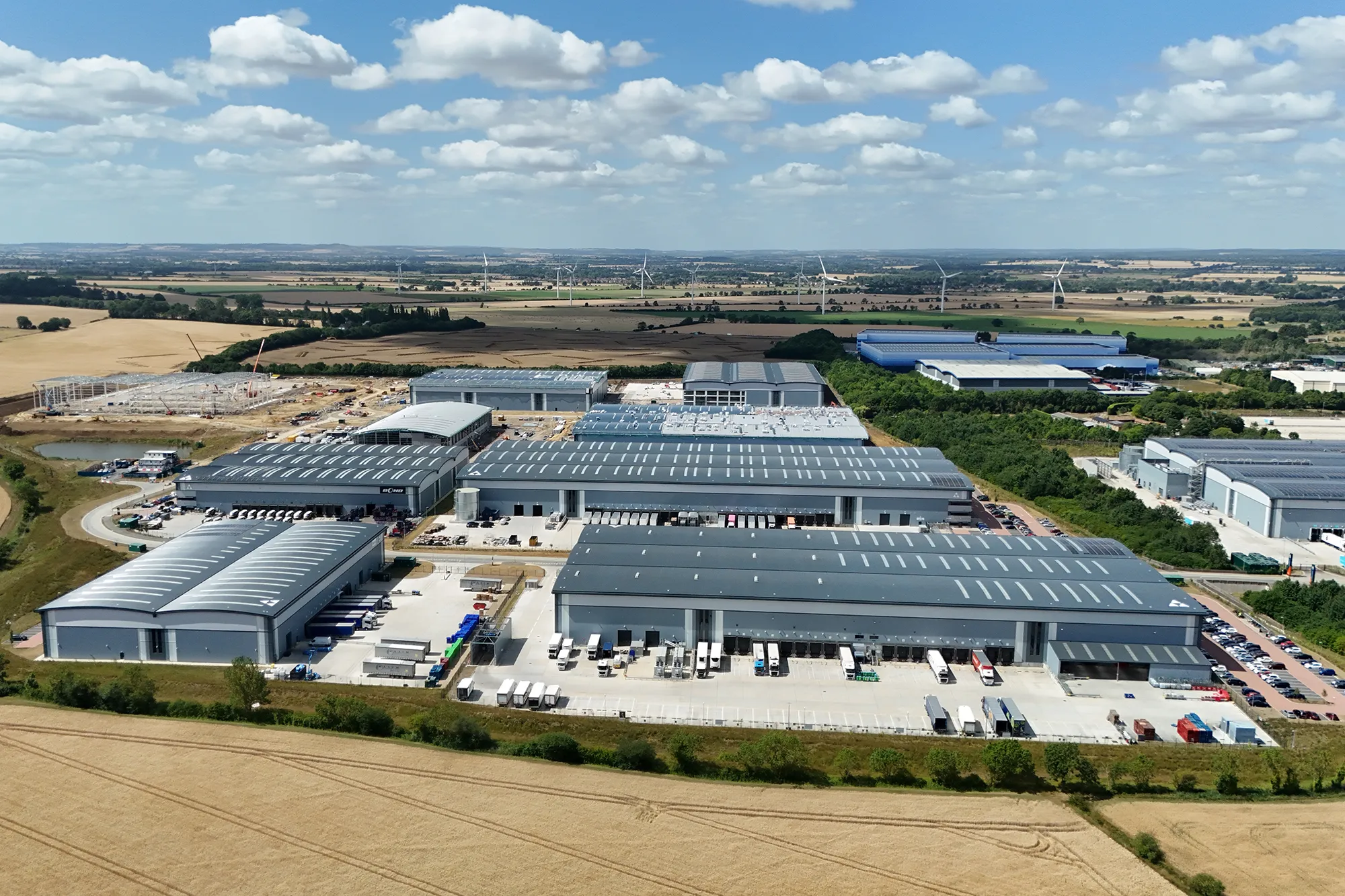
Collectively, these reforms create a stronger national mandate to support I&L growth and introduce greater consistency in how applications are assessed. Importantly, the government has introduced a specific freight and logistics policy – something many argue should be broadened to cover the wider I&L sector.
The inclusion of logistics in national policy means local planning authorities will now be required to identify suitable commercial and logistics sites, reducing reliance on outdated take-up evidence, which has long hindered land allocation for I&L. This signals a shift from reactive to proactive planning for I&L, although the industry still awaits a more robust, consistent methodology for defining employment and industrial land needs.
How quickly these positive reforms will filter through the planning system remains uncertain. The issue of planning delays persists as the most significant barrier facing the sector. Long and unpredictable timescales continue to stall development opportunities, ultimately constraining economic growth.
Greater recognition and prioritisation of I&L development and data centres with quicker determination periods beyond just Nationally Significant Infrastructure Projects is essential if the UK is to deliver the infrastructure needed to support productivity, competitiveness and resilient supply chains.
Aisling O’Kane is planning director at Avison Young UK